
Innovative Fish House Systems for Sustainable Coral Reef Conservation
Coral reefs are among the most productive and diverse ecosystems on the planet, supporting thousands of marine species and sustaining millions of people who depend on fisheries and coastal resources. However, rising sea temperatures, destructive fishing practices, pollution, and habitat degradation have significantly threatened reef ecosystems worldwide. Innovative Fish House systems offer a sustainable and practical approach to restoring coral habitats while strengthening marine biodiversity.
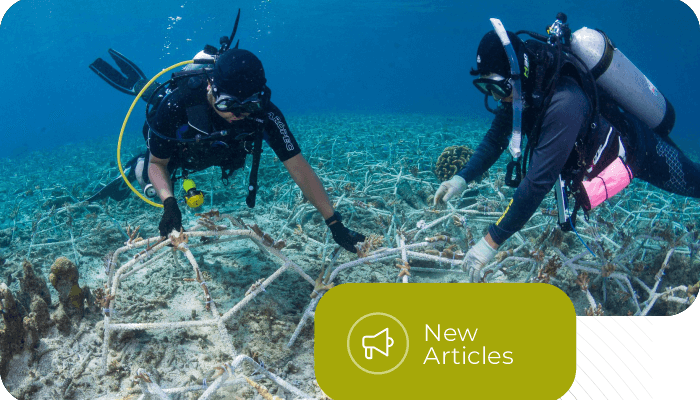
Fish House systems, also known as artificial reef structures, are specially designed underwater installations that provide shelter, breeding grounds, and feeding areas for marine life. Constructed from durable and marine-safe materials, these structures are engineered to withstand ocean currents while mimicking the natural complexity of coral reefs. Their design allows coral fragments to attach and grow, accelerating reef regeneration in degraded areas.
The implementation process begins with site assessment to identify suitable locations based on water depth, current patterns, and ecological conditions. Once installed, coral nursery techniques are applied. Healthy coral fragments are cultivated and later transplanted onto the Fish House structures. Over time, these corals grow and form new reef habitats that attract fish and other marine organisms.
Continuous monitoring is a critical component of the system’s success. Marine biologists conduct regular assessments to measure coral survival rates, growth performance, and species diversity. Data-driven evaluation ensures that conservation efforts remain effective and adaptable to environmental changes. This scientific approach strengthens long-term reef resilience and sustainability.
Beyond ecological restoration, Fish House systems generate economic and social benefits. By enhancing fish populations, they support sustainable fisheries and improve local livelihoods. In some regions, restored reef areas can also become ecotourism attractions, promoting environmental awareness and alternative income sources for coastal communities.
Importantly, Fish House conservation aligns with global sustainability goals, including climate action and life below water. Healthy coral reefs act as natural coastal barriers, reducing wave energy and protecting shorelines from erosion. They also contribute to carbon cycling within marine ecosystems.
In conclusion, innovative Fish House systems represent a forward-thinking solution to coral reef degradation. By integrating scientific research, engineering design, and community involvement, these systems provide a scalable model for marine restoration. Through sustainable coral conservation efforts, we can rebuild vibrant reef ecosystems that protect biodiversity, support economic stability, and ensure the long-term health of our oceans.