Integrated Mangrove Restoration for Climate Resilience and Coastal Protection
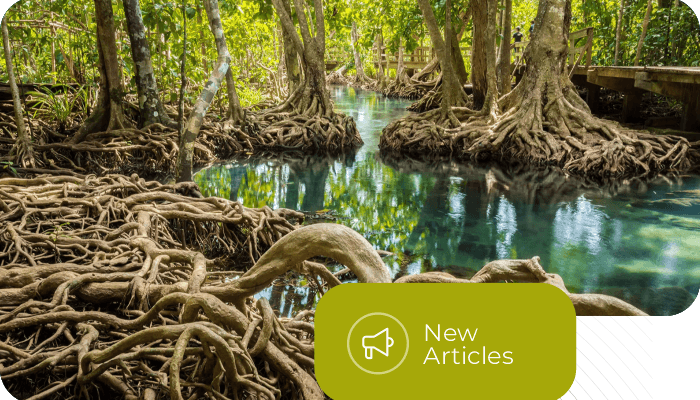
Mangrove forests are among the most valuable coastal ecosystems in the world. They serve as natural barriers against storm surges, coastal erosion, and rising sea levels while providing critical habitats for marine and terrestrial species. However, rapid coastal development, land conversion, and climate change have significantly reduced mangrove coverage in many regions. Integrated mangrove restoration offers a strategic solution to strengthen climate resilience and protect vulnerable coastal communities.
Integrated restoration begins with comprehensive site assessment and ecological analysis. Understanding tidal patterns, soil composition, salinity levels, and native species diversity ensures that planting efforts are aligned with natural conditions. Rather than applying a one-size-fits-all approach, integrated restoration prioritizes ecosystem compatibility and long-term sustainability. Nursery development plays a key role in producing healthy seedlings, which are later planted using scientifically informed spacing and zonation techniques.
Beyond planting, monitoring is essential to ensure successful restoration. Regular evaluation of survival rates, canopy growth, and biodiversity indicators provides measurable data on ecosystem recovery. Advanced tools such as drone mapping and biomass measurement help assess carbon sequestration capacity. Mangroves are highly effective carbon sinks, storing significant amounts of carbon in both biomass and soil, making them vital contributors to climate mitigation strategies.
Community involvement is a cornerstone of integrated restoration. Engaging local stakeholders in nursery management, planting activities, and monitoring programs strengthens long-term stewardship. When communities benefit economically through sustainable fisheries, ecotourism, or carbon initiatives, they become active guardians of coastal ecosystems.
Integrated mangrove restoration also delivers broader environmental benefits. Healthy mangrove forests improve water quality by filtering pollutants and trapping sediments. They create nursery grounds for fish, crabs, and shrimp, supporting food security and local livelihoods. In addition, restored mangroves reduce disaster risks by absorbing wave energy and stabilizing shorelines.
In conclusion, integrated mangrove restoration combines science-based planning, continuous monitoring, and community empowerment to build resilient coastal ecosystems. By aligning ecological recovery with climate adaptation and socio-economic development, this approach ensures that mangrove forests continue to protect coastlines, capture carbon, and support biodiversity for generations to come.