Sustainable Aquaculture (Vaname Shrimp)
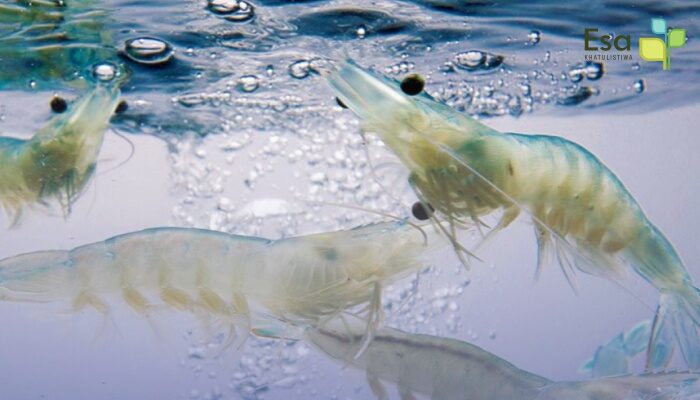
Sustainable aquaculture has become an essential solution to meet the growing global demand for seafood while protecting marine and coastal ecosystems. Vaname shrimp (Litopenaeus vannamei) is one of the most widely cultivated shrimp species due to its high productivity, adaptability, and strong market demand. However, without proper management, shrimp farming can lead to environmental degradation, water pollution, and disease outbreaks. Sustainable aquaculture practices ensure that productivity and environmental responsibility go hand in hand.
Sustainable vaname shrimp farming focuses on efficient water quality management, biosecurity systems, and environmentally friendly feed strategies. Regular monitoring of pH levels, dissolved oxygen, salinity, and temperature helps maintain optimal pond conditions. The implementation of biofloc or controlled water circulation systems reduces waste accumulation and improves feed conversion efficiency.
Biosecurity measures are also critical in preventing disease and minimizing antibiotic use. By applying strict pond preparation standards, controlled stocking density, and routine health monitoring, farmers can reduce risks while maintaining high survival rates.
In addition to environmental benefits, sustainable aquaculture supports local economic growth and food security. It creates employment opportunities, strengthens coastal economies, and ensures a stable supply of high-quality shrimp for domestic and international markets.
Through responsible management, scientific monitoring, and eco-friendly practices, Sustainable Aquaculture (Vaname Shrimp) delivers long-term productivity while protecting the surrounding ecosystem for future generations.