Insects play a vital role in maintaining ecological balance, and butterflies are among the most important pollinators in terrestrial ecosystems. However, habitat loss, pesticide use, climate change, and environmental degradation have led to significant declines in butterfly populations worldwide. Insect conservation, particularly butterfly breeding programs, offers an effective strategy to protect biodiversity while promoting environmental education and sustainable tourism.
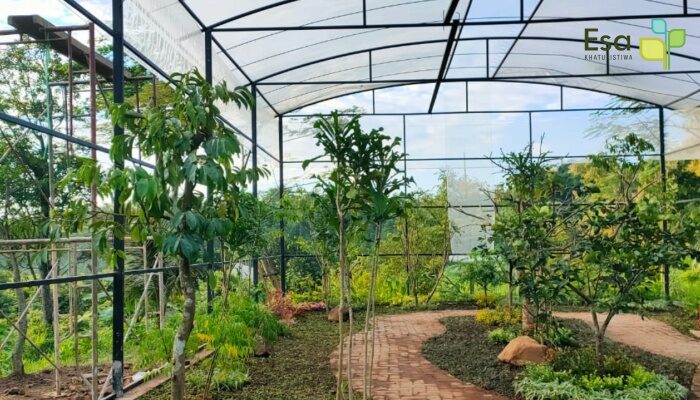
Butterfly conservation begins with the preservation and restoration of natural habitats. This includes planting native host plants for caterpillars and nectar-producing flowers for adult butterflies. Controlled breeding environments are developed to support each life cycle stage—egg, larva, pupa, and adult—ensuring optimal survival rates and species protection.
Scientific monitoring is conducted to observe population growth, species diversity, and ecosystem health. By maintaining genetic diversity and protecting native species, butterfly breeding programs contribute to ecological stability and pollination support for surrounding vegetation.
Beyond ecological benefits, butterfly conservation also serves as a powerful educational platform. Conservation areas and butterfly enclosures can function as ecotourism attractions, raising awareness about environmental protection and biodiversity importance among students, researchers, and visitors.
Through integrated habitat management, scientific research, and community involvement, butterfly breeding programs strengthen biodiversity conservation efforts while creating sustainable environmental and educational value for future generations.