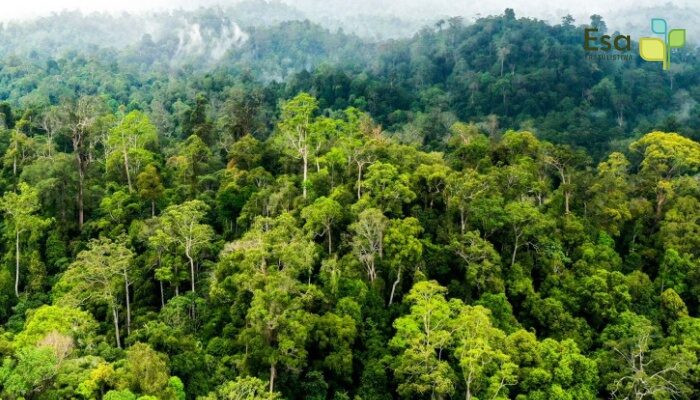
As the world faces increasing climate challenges, carbon management has become a critical component of sustainable development strategies. Carbon trading and biomass allometry play an essential role in quantifying carbon sequestration and transforming ecosystem restoration into measurable climate solutions.
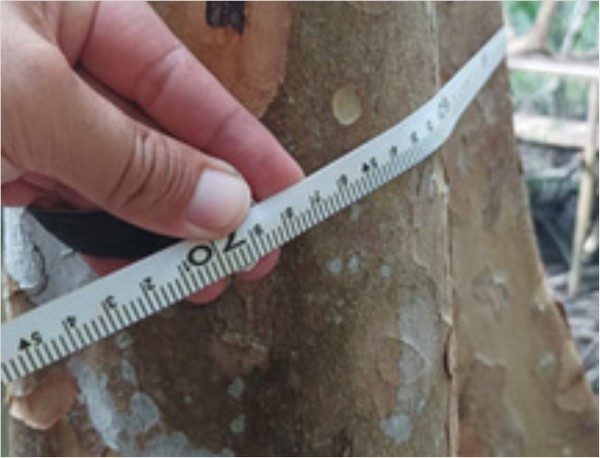
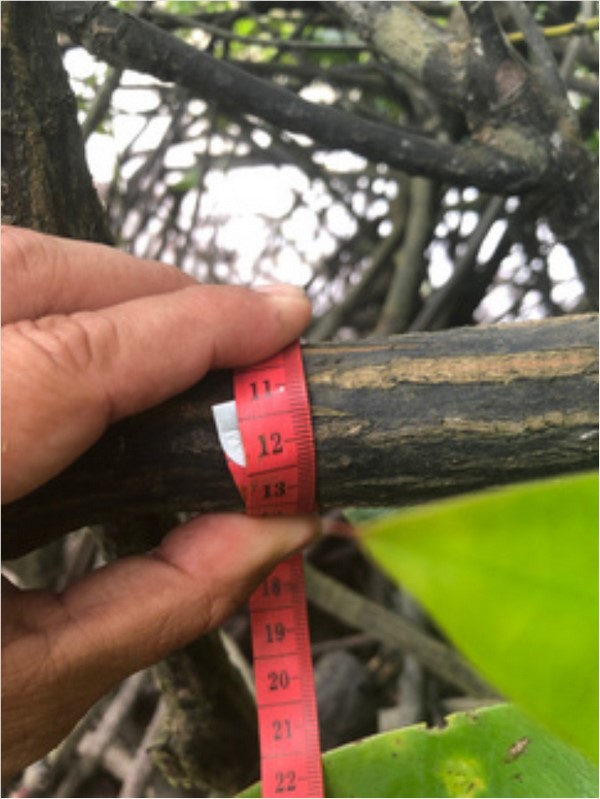
Biomass allometry is a scientific method used to estimate the total biomass of vegetation, particularly in forests and mangrove ecosystems. Through field measurements such as tree diameter, height, and species identification, allometric equations are applied to calculate above-ground and below-ground biomass. From these calculations, the amount of carbon stored within the ecosystem can be accurately determined.
This data forms the foundation of carbon trading initiatives. By verifying carbon stocks and sequestration potential, restored or conserved ecosystems can generate carbon credits. These credits can then be traded in voluntary or regulated carbon markets, providing financial incentives for environmental conservation and climate mitigation efforts.
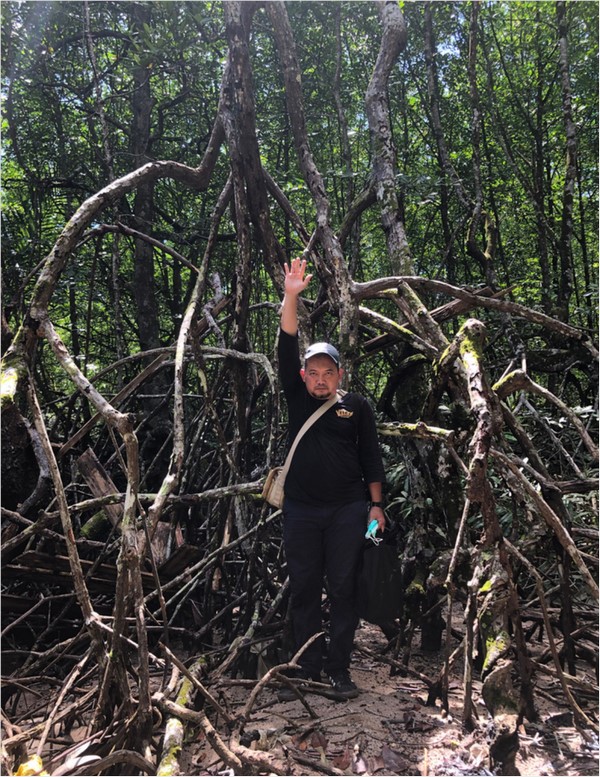
Carbon trading not only supports global climate action but also encourages sustainable land management practices. It creates opportunities for corporations to achieve carbon neutrality while investing in ecosystem restoration projects such as mangrove rehabilitation and forest conservation.
Through scientific measurement, transparent reporting, and continuous monitoring, carbon trading and biomass allometry transform environmental protection into a quantifiable and investable solution. By integrating ecological restoration with climate finance mechanisms, this approach strengthens environmental resilience while supporting long-term sustainable development.