Ecotourism : Best Practices for Mangrove
Mangrove ecotourism is a sustainable tourism concept that combines environmental conservation, community empowerment, and responsible travel experiences. As coastal ecosystems face increasing pressure from urban development, pollution, and climate change, mangrove ecotourism offers a practical solution to protect natural habitats while generating economic opportunities for local communities.
Mangrove forests play a vital role in coastal protection. They act as natural barriers against erosion, storm surges, and rising sea levels. In addition, they serve as breeding and nursery grounds for fish, crabs, and various marine species. Through ecotourism, visitors can explore these unique ecosystems while learning about their ecological importance and conservation value.
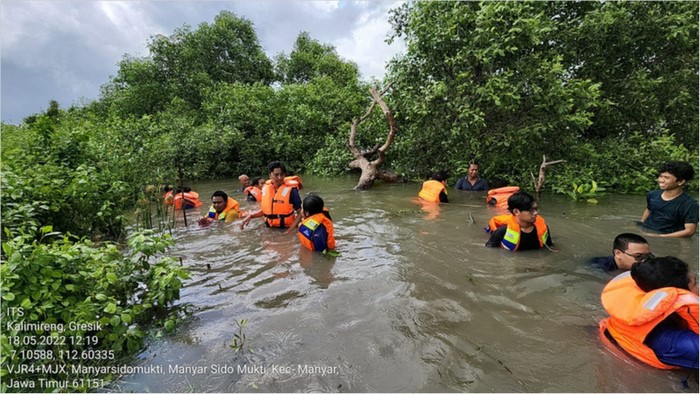
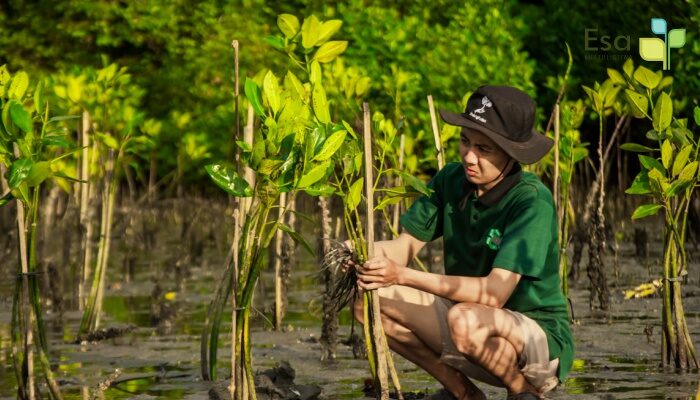
A well-managed mangrove ecotourism program includes interpretation tracks, boardwalk facilities, digital mapping systems, and carrying capacity management to prevent environmental degradation. Educational programs, guided tours, and conservation workshops enhance visitor awareness and encourage responsible behavior. Community participation is central to the program, ensuring that local residents benefit economically while becoming active stewards of the environment.
Mangrove ecotourism not only promotes environmental protection but also supports sustainable development goals such as climate action, life below water, and life on land. By integrating conservation, education, and sustainable tourism management, mangrove ecotourism creates meaningful experiences that preserve ecosystems for future generations.
Through responsible exploration and long-term ecosystem management, mangrove ecotourism becomes more than travel—it becomes a commitment to sustainability and resilience.
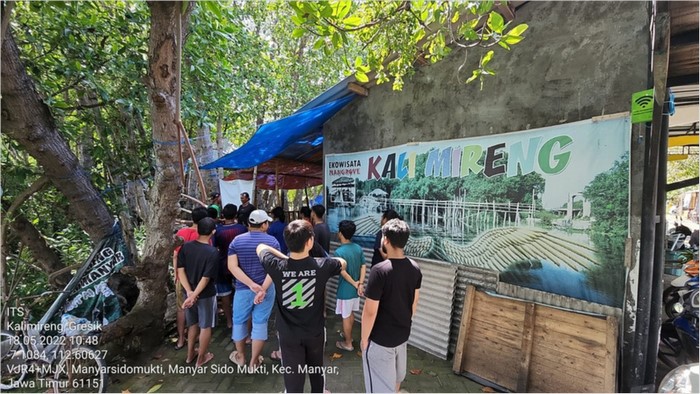
Location : Kalimireng, Gresik