Mangrove Mapping
Mangrove ecosystems are vital coastal resources that provide natural protection against erosion, storm surges, and sea level rise. They also serve as breeding grounds for marine species and act as significant carbon sinks. However, effective conservation and restoration efforts require accurate and up-to-date data. Mangrove mapping plays a crucial role in providing the scientific foundation needed for sustainable coastal management.
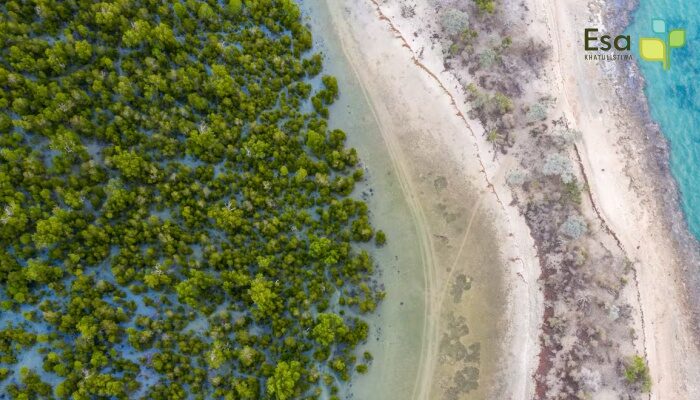
Mangrove mapping involves the use of geospatial technology, satellite imagery, drone surveys, and field verification to identify the distribution, density, and health of mangrove forests. By analyzing vegetation cover, species composition, and land-use changes, mapping systems generate precise ecological information that supports strategic decision-making.
This data is essential for planning restoration projects, monitoring environmental changes, and assessing carbon stock potential. It also helps identify degraded areas that require immediate intervention and areas that must be protected from development pressure. With accurate mapping, policymakers and environmental organizations can develop targeted conservation strategies based on measurable indicators.
In addition to ecological benefits, mangrove mapping supports climate action initiatives, disaster risk reduction planning, and sustainable coastal development programs. The integration of digital mapping tools with community-based monitoring enhances transparency and long-term ecosystem management.
Through data-driven analysis and continuous monitoring, mangrove mapping transforms conservation efforts into structured, measurable, and sustainable environmental solutions.