
admin
About admin
Posts by :
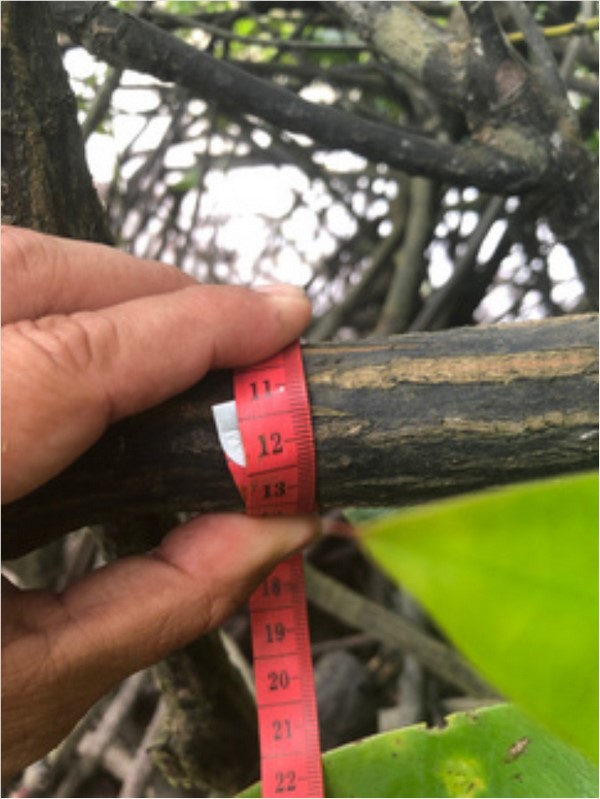
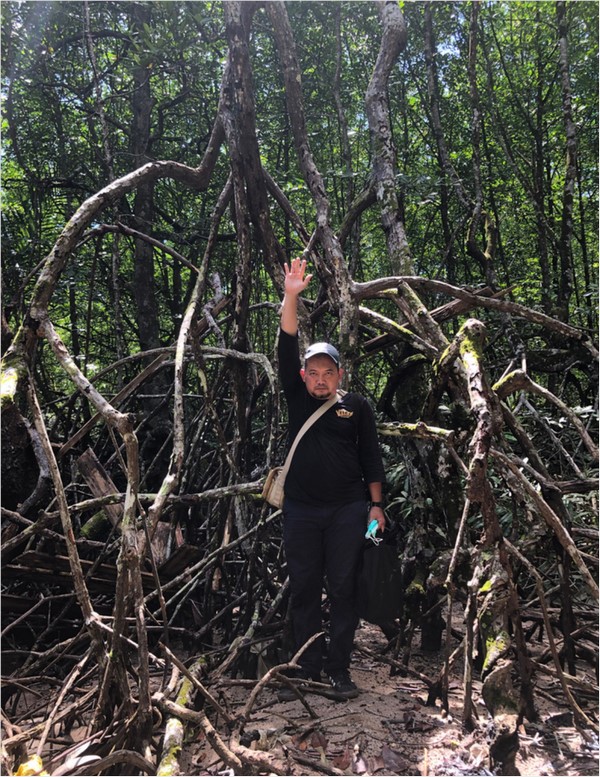
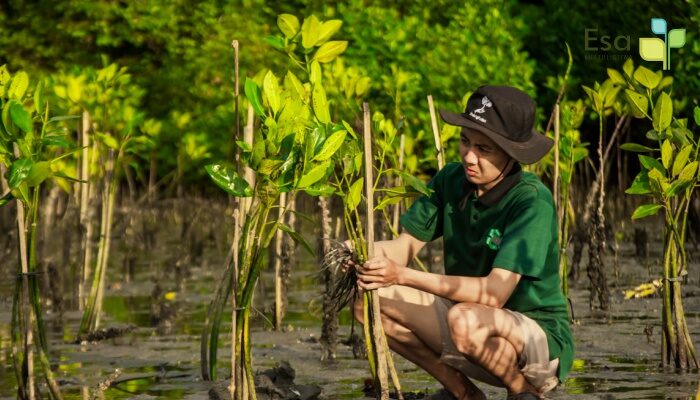
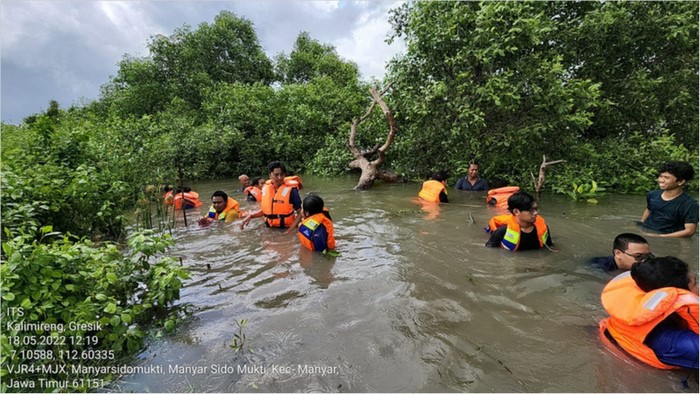
Ecotourism : Best Practices for Mangrove
Mangrove ecotourism is a sustainable tourism concept that combines environmental conservation, community empowerment, and responsible travel experiences. As coastal ecosystems face increasing pressure from urban development, pollution, and climate change, mangrove ecotourism offers a practical solution to protect natural habitats while generating economic opportunities for local communities.
Mangrove forests play a vital role in coastal protection. They act as natural barriers against erosion, storm surges, and rising sea levels. In addition, they serve as breeding and nursery grounds for fish, crabs, and various marine species. Through ecotourism, visitors can explore these unique ecosystems while learning about their ecological importance and conservation value.
A well-managed mangrove ecotourism program includes interpretation tracks, boardwalk facilities, digital mapping systems, and carrying capacity management to prevent environmental degradation. Educational programs, guided tours, and conservation workshops enhance visitor awareness and encourage responsible behavior. Community participation is central to the program, ensuring that local residents benefit economically while becoming active stewards of the environment.
Mangrove ecotourism not only promotes environmental protection but also supports sustainable development goals such as climate action, life below water, and life on land. By integrating conservation, education, and sustainable tourism management, mangrove ecotourism creates meaningful experiences that preserve ecosystems for future generations.
Through responsible exploration and long-term ecosystem management, mangrove ecotourism becomes more than travel—it becomes a commitment to sustainability and resilience.
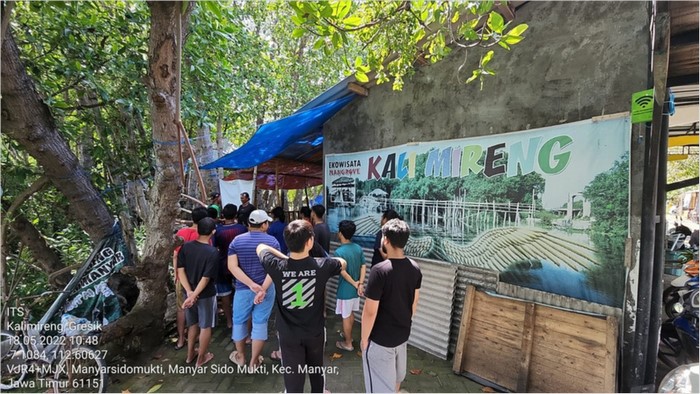
Location : Kalimireng, Gresik
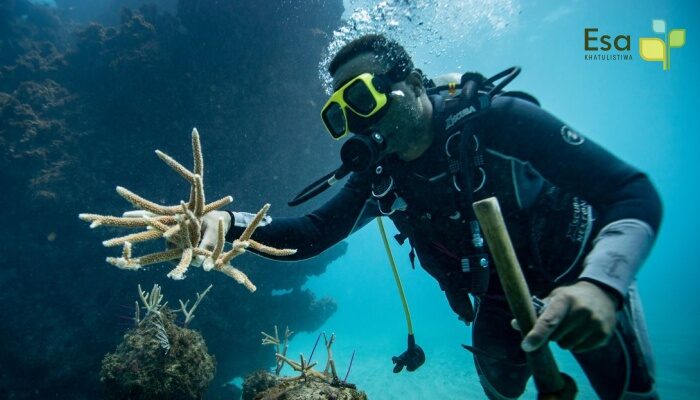
Coral Reef Conservation – Fish House
Coral reefs are among the most diverse and valuable ecosystems on Earth. They provide habitat for thousands of marine species, protect coastlines from wave erosion, and support fisheries and tourism industries. However, climate change, destructive fishing practices, pollution, and habitat degradation have significantly reduced coral reef health in many coastal regions. Coral Reef Conservation through Fish House (Rumah Ikan) initiatives offers an innovative and sustainable solution to restore marine ecosystems.
The Fish House concept combines artificial reef structures with coral nursery and transplantation systems. These specially designed underwater structures are built using durable, marine-friendly materials that create shelter for fish and substrate surfaces for coral attachment. By providing a stable habitat, Fish Houses encourage marine biodiversity to return and naturally regenerate.
The conservation process typically begins with coral nursery development, where healthy coral fragments are cultivated under controlled conditions. Once strong enough, they are transplanted onto artificial reef structures. Continuous monitoring is conducted to measure coral growth, survival rates, fish population density, and overall reef health. This scientific, data-driven approach ensures measurable and sustainable impact.
Beyond ecological restoration, Fish House programs also support local fishing communities by enhancing fish stocks and promoting responsible marine resource management. In addition, these projects can serve as educational and ecotourism attractions, raising awareness about marine conservation.
Through strategic design, scientific monitoring, and community collaboration, Coral Reef Conservation – Fish House programs help rebuild resilient marine ecosystems, protect coastal biodiversity, and secure sustainable livelihoods for future generations.
Location : Bawean, Gresik, Jawa Timur
-
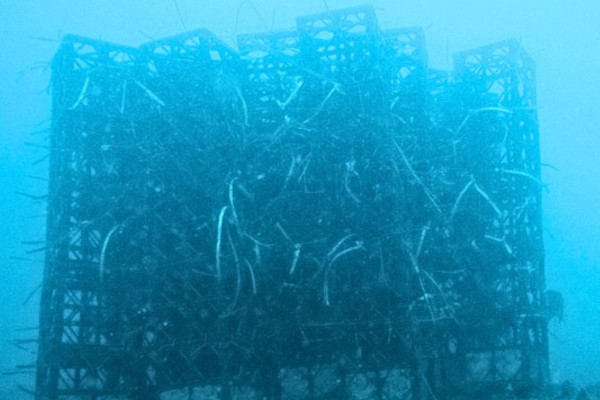
- Final Fish House
-
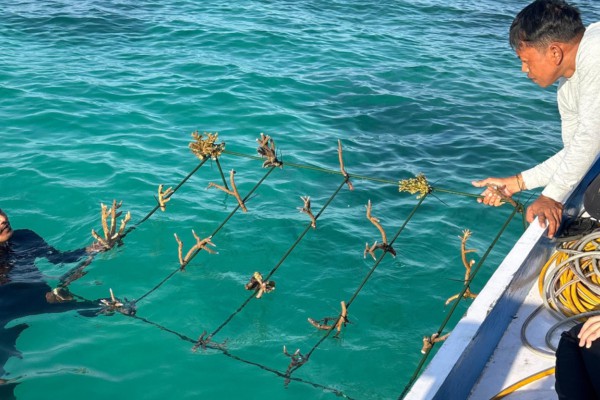
- Base Plate Bibit Coral
-
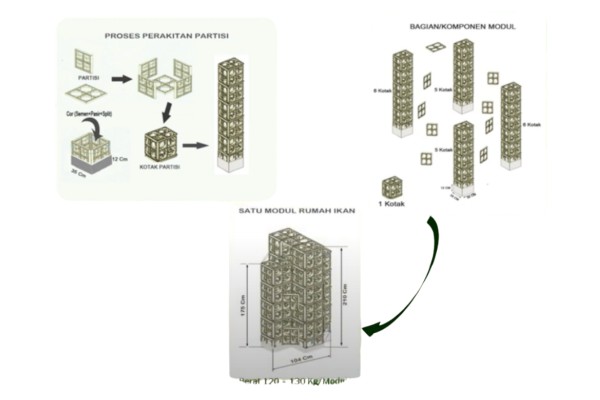
- Structural Design
-
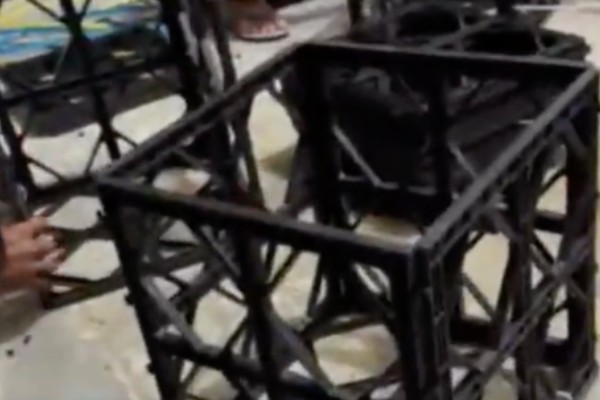
- Polypropylene partition plastic
Mangrove Restoration & Monitoring
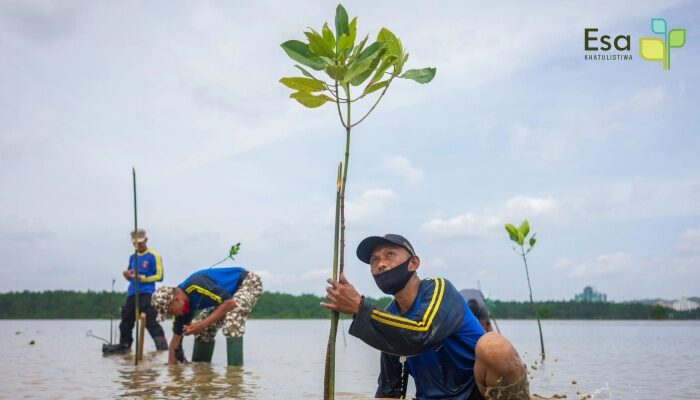
Mangrove ecosystems play a crucial role in protecting coastal areas, supporting biodiversity, and mitigating climate change. However, rapid coastal development, pollution, and land conversion have caused significant mangrove degradation in many regions. Mangrove restoration and monitoring programs are essential to rebuild these critical ecosystems and ensure long-term environmental sustainability.
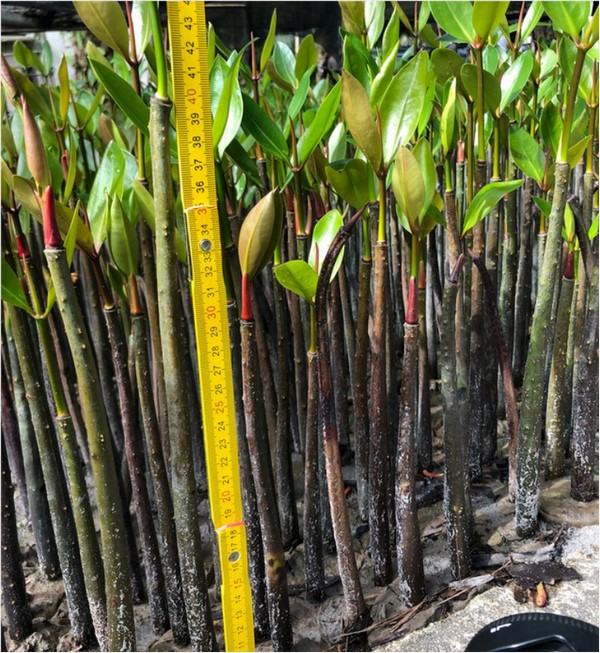
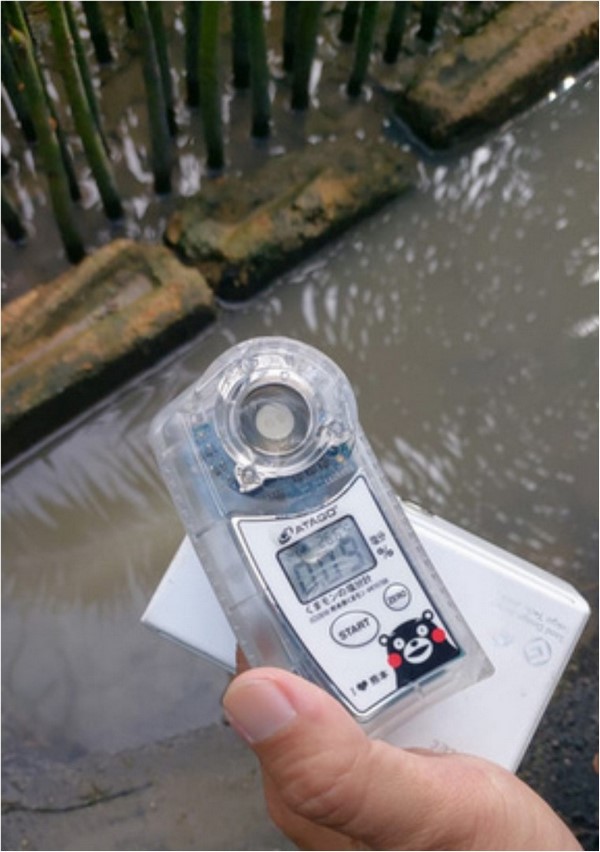
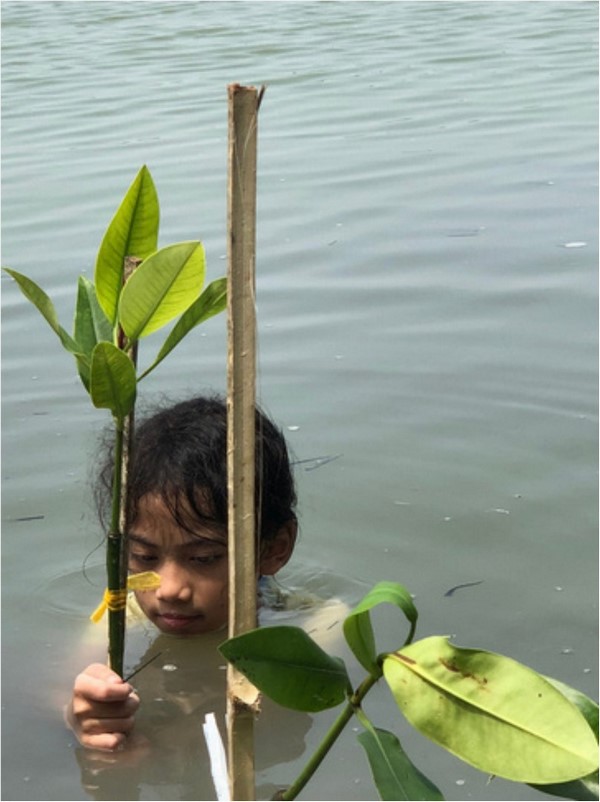
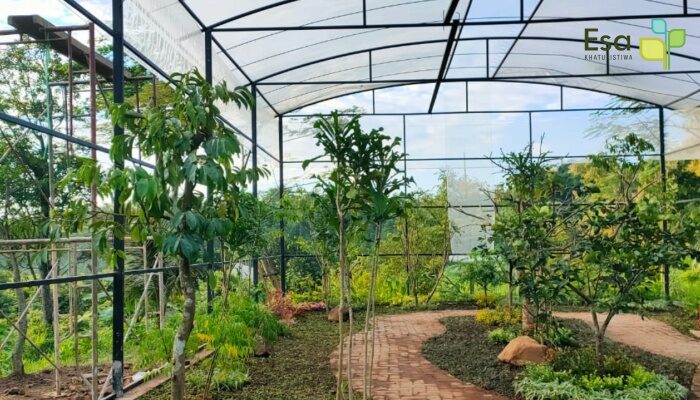
Mangrove restoration begins with proper site assessment and ecological analysis. This includes evaluating soil conditions, tidal patterns, salinity levels, and native species suitability. Seedling nurseries are established to cultivate healthy mangrove propagules before planting. Strategic planting methods are applied to increase survival rates and ensure ecosystem compatibility. Community involvement is also a key component, as local participation strengthens long-term protection and stewardship.
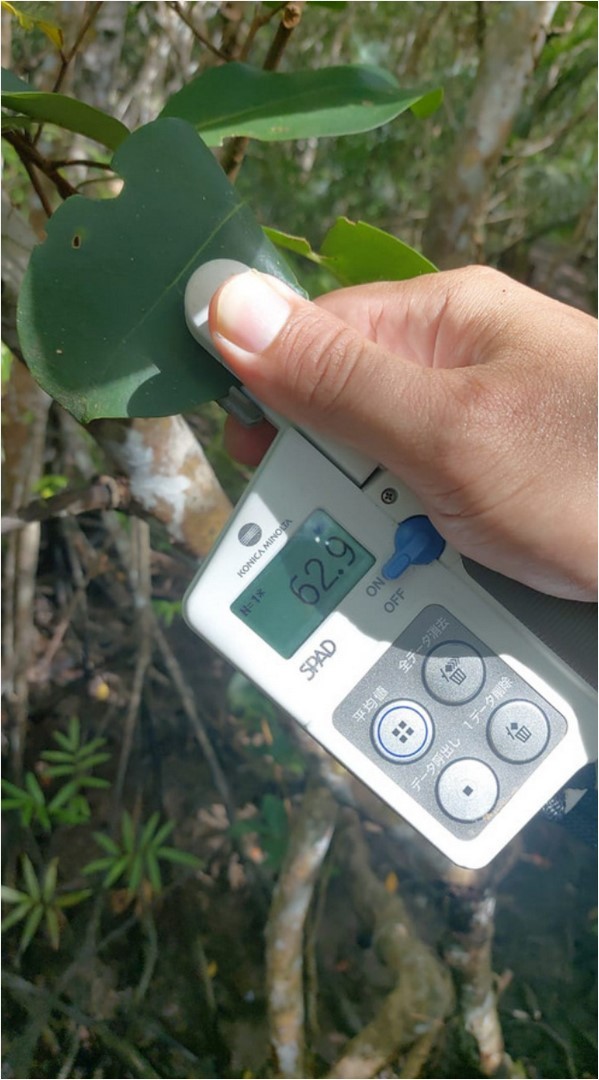
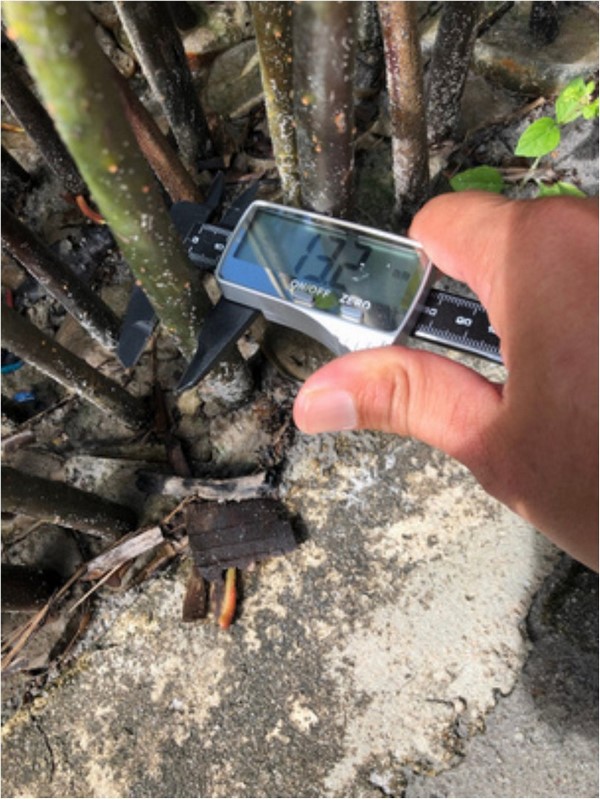
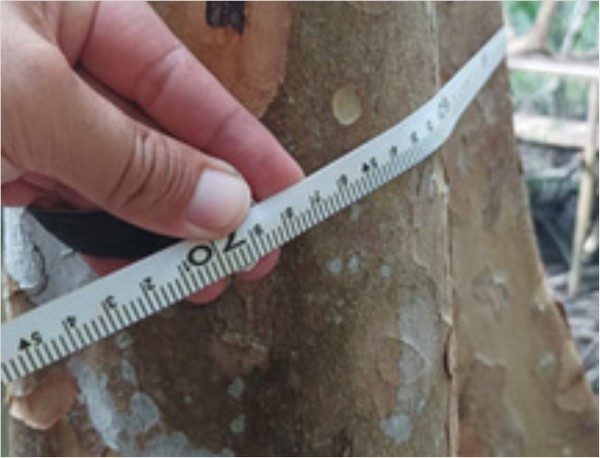
Monitoring is equally important in ensuring restoration success. Regular field assessments measure growth rates, survival percentages, canopy density, and overall ecosystem health. Scientific tools such as biomass measurement and carbon stock analysis help determine the mangrove forest’s capacity for carbon sequestration. This data-driven approach supports climate action initiatives and provides measurable environmental impact indicators.
Beyond environmental protection, mangrove restoration delivers socio-economic benefits. Healthy mangrove forests protect coastal communities from erosion, storms, and rising sea levels. They also provide nursery grounds for fish and marine species, supporting sustainable fisheries and local livelihoods.
Through integrated restoration and long-term monitoring, mangrove ecosystems can recover, adapt, and thrive. By combining science-based methods, community empowerment, and sustainable management practices, mangrove restoration becomes not only an environmental effort but also a long-term investment in climate resilience and future generations.
Location : Kalimireng, Bangkalan, Pamekasan, Mengare