Esa Khatulistiwa: Building Responsible Vaname Shrimp Farming Systems
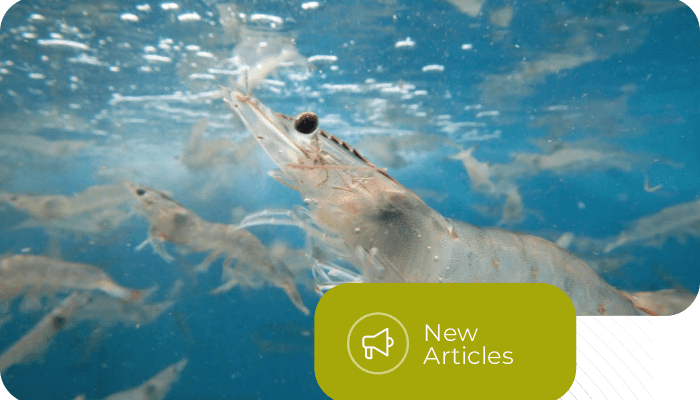
As global demand for seafood continues to rise, sustainable aquaculture has become a critical solution to ensure long-term food security while protecting aquatic ecosystems. Vaname shrimp (Litopenaeus vannamei) is one of the most widely cultivated shrimp species due to its fast growth rate, high market value, and adaptability to various environmental conditions. However, without responsible management, shrimp farming can lead to water pollution, disease outbreaks, and habitat degradation. Building sustainable vaname shrimp farming systems is essential to balance productivity with environmental protection.
Sustainable aquaculture begins with proper site selection and pond design. Farms must consider water sources, waste management systems, and ecological carrying capacity to prevent environmental stress. Efficient water quality management plays a central role in maintaining healthy shrimp growth. Parameters such as dissolved oxygen, salinity, temperature, and pH levels must be regularly monitored to create optimal living conditions. The implementation of controlled water circulation systems or biofloc technology can significantly reduce waste accumulation and improve feed conversion efficiency.
Biosecurity is another key component of responsible shrimp farming. Disease outbreaks can severely impact productivity and financial stability. By applying strict pond preparation standards, controlled stocking density, routine health monitoring, and pathogen screening, farmers can minimize risks and reduce dependence on antibiotics. This approach not only protects shrimp health but also ensures safer products for consumers.
Sustainable vaname farming also emphasizes environmentally friendly feed management. High-quality feed with balanced nutrition improves growth performance and reduces excess waste. Proper feeding schedules and monitoring systems help optimize input costs while minimizing environmental impact.
Beyond environmental responsibility, sustainable aquaculture contributes directly to food security and economic development. Shrimp farming creates employment opportunities, strengthens coastal livelihoods, and supports export markets. By maintaining stable production through science-based management practices, communities can benefit from consistent income while safeguarding natural resources.
In conclusion, sustainable vaname shrimp farming represents a strategic pathway toward responsible seafood production. Through integrated water management, strong biosecurity systems, efficient feed utilization, and environmental monitoring, aquaculture can deliver high productivity without compromising ecosystem health. By building responsible farming systems, we support global food security while ensuring that marine and coastal environments remain resilient for future generations.